

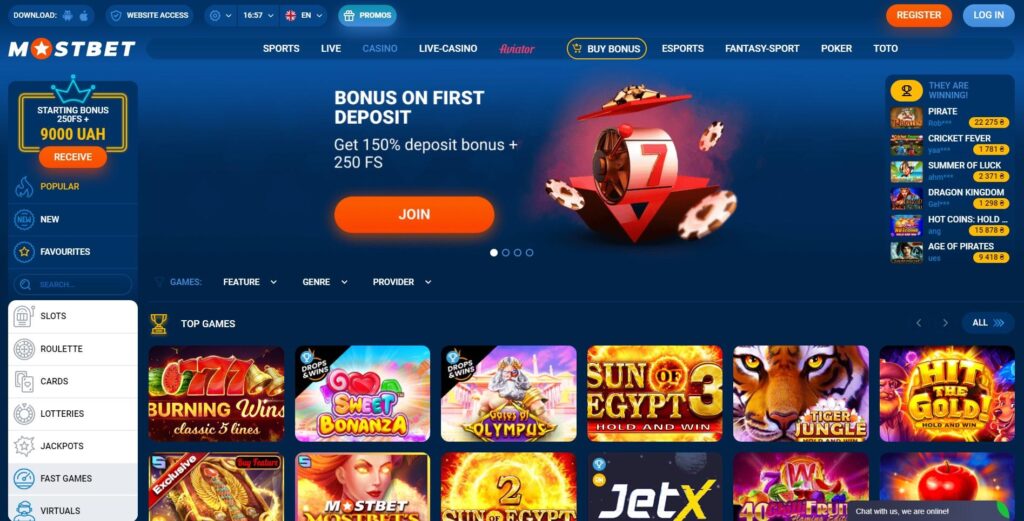
As the world rapidly shifts towards digital spaces, Legal Framework Surrounding Online Casinos in Bangladesh Mostbet among other online casino platforms has seen a tremendous rise in popularity. Online gambling is a multi-billion dollar industry that thrives on technology and user engagement. However, as enticing as the prospects of online casinos are, they are equally ensconced in a complex web of legal structures designed to regulate their operations. This article will delve into the various aspects of the legal framework governing online casinos, highlighting key regulations, compliance challenges, and the implications for operators and players alike.
Understanding the Regulatory Landscape
The legal framework surrounding online casinos varies significantly from one jurisdiction to another. In some regions, online gambling is fully legalized and regulated, while in others it remains banned or heavily restricted. This disparity often stems from cultural attitudes towards gambling, public safety concerns, and the potential for economic benefit through taxation and job creation.
Jurisdictions and Licensing
Online casinos typically require a license to operate legally. Different jurisdictions offer various licensing options, each coming with its own set of requirements and obligations. Well-known licensing authorities include:
- Malta Gaming Authority (MGA): One of the most respected regulators in the industry, the MGA provides a robust framework for online gambling operators, ensuring compliance with high standards.
- United Kingdom Gambling Commission (UKGC): The UKGC sets a stringent regulatory standard for online casinos, focusing on player protection, responsible gambling, and fair play.
- Gibraltar Regulatory Authority: Known for permitting various operators to thrive, Gibraltar’s regulations emphasize transparency and consumer rights.
- Curacao eGaming: This license is often favored by new operators due to its relatively low barriers to entry, albeit it may lack the oversight of other jurisdictions.
Key Regulations
Despite the variations in jurisdictions, some common regulatory frameworks can be identified across many regions. These include:
- Anti-Money Laundering (AML) Regulations: Online casinos must implement strict AML protocols to prevent the use of gambling platforms for illicit financial activities. This often involves thorough customer verification processes.
- Data Protection and Privacy Laws: With the vast amount of personal and financial data collected by online casinos, compliance with data protection laws such as the General Data Protection Regulation (GDPR) in Europe is critical.
- Responsible Gambling Measures: Many jurisdictions require operators to promote responsible gambling by providing players with tools to limit their spending, self-exclusion options, and access to problem gambling resources.

The Role of Technology in Compliance
As online casinos harness cutting-edge technology, ensuring compliance becomes both a challenge and an opportunity. Technologies such as blockchain can enhance the transparency of transactions, while data analytics can help identify potentially harmful gambling behavior. Furthermore, AI-driven tools can assist in automating compliance checks, making it easier for operators to stay within legal boundaries.
Challenges in Compliance
For online casinos, navigating the legal landscape poses various challenges:
- Fragmented Laws: Different laws in different jurisdictions can create confusion for online operators that wish to serve a global market.
- Dynamic Regulations: Laws surrounding online gambling can change rapidly, requiring constant monitoring and adaptation by operators to remain compliant.
- Enforcement Issues: While many online casinos operate legitimately, rogue operators may exploit regulatory gaps, creating an uneven playing field for compliant entities.
Impact of Legislation on Players
For players, the legal framework impacts their experience in numerous ways:
- Player Protection: Regulations can provide a safety net for players, ensuring their funds are secure and that they have recourse in the event of disputes.
- Game Fairness: Licensing authorities typically require games to undergo rigorous testing for fairness and randomness, thus enhancing player trust in online casinos.
- Access Issues: In regions where online gambling is banned or restricted, players may resort to illegal platforms, putting their personal and financial information at risk.
The Future of Online Casino Regulation
As the online casino industry continues to evolve, the legal framework will likely undergo significant changes. Factors such as technological advancements, societal attitudes toward gambling, and shifts in consumer behavior will drive these changes. For instance, the rise of mobile gambling and live dealer games necessitates adjustments to existing regulations to address new challenges and opportunities.
Potential Developments
We may witness the following trends in online casino regulation:
- Harmonization of Regulations: Increased cooperation between jurisdictions may lead to more standardized regulations, making it easier for operators to navigate compliance.
- Enhanced Consumer Protection: Governments may place a stronger emphasis on player protection measures, requiring operators to implement more robust responsible gambling protocols.
- Emphasis on Cybersecurity: With the increasing likelihood of cyberattacks, regulations may evolve to mandate higher cybersecurity standards for online casinos.
Conclusion
The legal framework surrounding online casinos is a dynamic and complex aspect of the gambling industry. As technology continues to innovate the way players engage with online gambling, the need for clear, effective, and adaptable regulations has never been more critical. For operators, understanding and navigating this legal landscape is essential to ensuring longevity and success in the fiercely competitive online casino market. Meanwhile, players benefit from the protections that reasonable regulations afford, contributing to a safer and more enjoyable gambling experience.