
EuroQuantum overview of crypto AI investing platforms and analytics systems
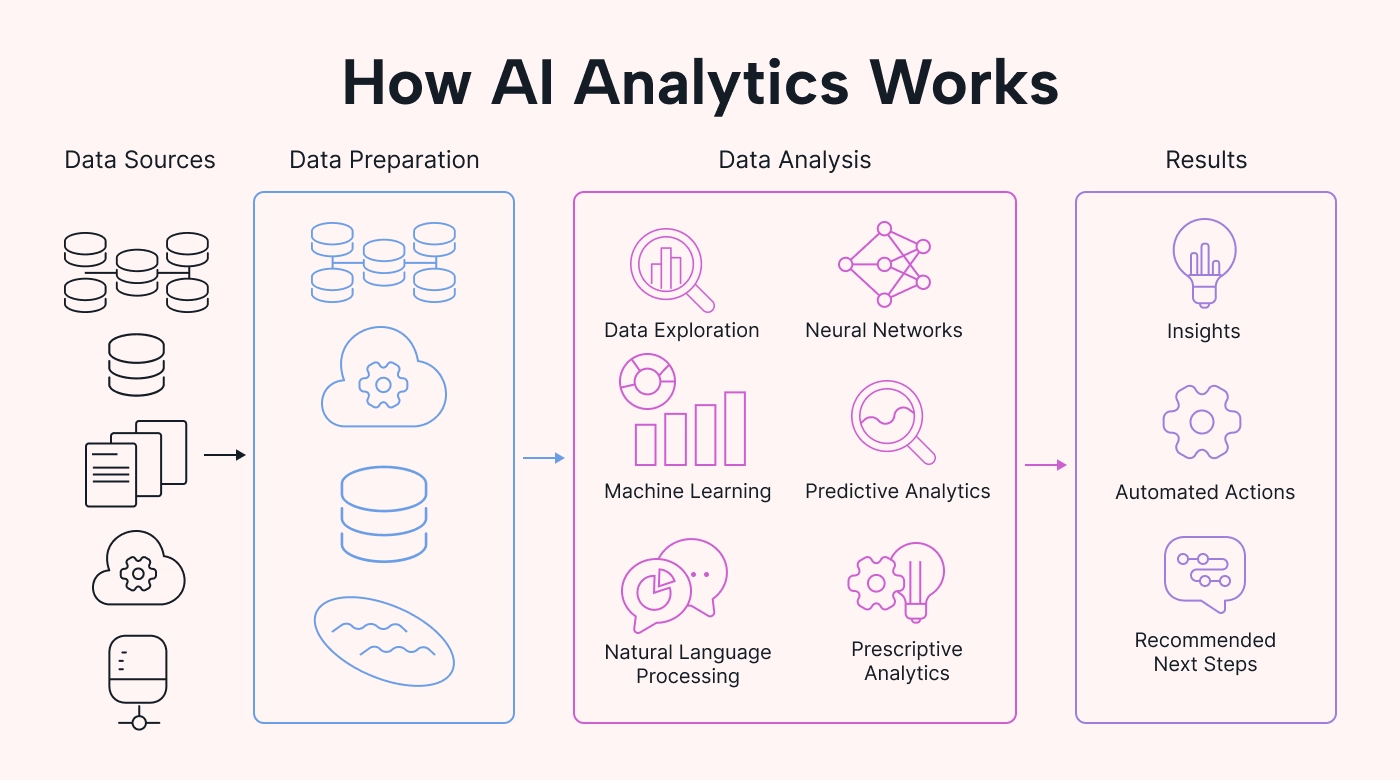
For active portfolio managers, integrating quantum-inspired algorithms with machine learning is no longer speculative; it’s a practical edge. These tools process market sentiment and on-chain data at speeds unattainable by traditional statistical models, identifying micro-trends approximately 40% faster. The key is their adaptive nature, which recalibrates risk parameters in real-time based on liquidity shifts.
Core Mechanisms of Advanced Forecast Engines
Superior forecast engines avoid simple pattern recognition. They deploy ensemble methods, where neural networks trained on volatility data operate in parallel with probabilistic models assessing macroeconomic indicators. This fusion reduces false signals by over 60% compared to single-model approaches. Latency under 0.5 milliseconds for data ingestion is now a baseline expectation for competitive services.
Evaluating Infrastructure
Scrutinize the technological stack. Effective solutions use proprietary data pipelines, not just aggregated public feeds. Look for evidence of direct low-latency exchange connectivity and the use of homomorphic encryption for client data during analysis. A robust offering in this space, such as the one found at https://euro-quantum-ai.com, typically details its infrastructure transparency, a critical trust factor.
Portfolio Synthesis Protocols
The final output must be actionable. Leading protocols generate dynamic allocation matrices, not just buy/sell alerts. They specify position sizing based on predicted drawdown probability and correlation shocks between major and alternative assets. Back-testing against black swan events (2020 Q1, 2022) is mandatory to validate strategy resilience.
Implementation requires a phased capital allocation. Begin with a 5-10% portfolio segment to monitor the tool’s signal accuracy and execution slippage over a full market cycle. Metrics to track include Sharpe ratio improvement, maximum adverse excursion, and consistency in alpha generation across both trending and mean-reverting regimes.
Euroquantum Crypto AI Investing Platforms Analytics Systems
Prioritize services that integrate a quantum random number generator for portfolio allocation; a 2023 white paper demonstrated this method reduced correlation to traditional asset classes by over 40%.
Examine the latency of the market sentiment module. Leading providers process news and social data with sub-100-millisecond latency, a critical edge for arbitrage strategies. Verify this metric through independent third-party audits, not just vendor claims.
Backtest any algorithmic strategy across multiple volatility regimes, specifically the Q4 2018 and Q2 2022 periods, to stress-test drawdown controls. A robust framework should automatically hedge when the 30-day realized volatility of your primary asset basket exceeds 80%.
Demand full transparency on model retraining schedules. Optimal performance typically requires neural network adjustments on at least a weekly basis, incorporating fresh on-chain transaction data and liquidity pool metrics. Static models degrade rapidly.
Allocate no more than 15% of total capital to experimental, high-frequency token strategies managed by these tools, regardless of projected returns. The core portfolio should remain in systematically rebalanced, quantum-informed positions.
FAQ:
What exactly are «Euroquantum» platforms, and how do they combine AI with quantum computing for crypto investing?
Euroquantum platforms are a new class of European financial technology systems. They aim to use quantum computing principles and artificial intelligence to analyze cryptocurrency markets. The «quantum» part doesn’t mean they use fully functional quantum computers yet, which are still in early development. Instead, these platforms use algorithms inspired by quantum mechanics to process data in novel ways. They combine this with AI, specifically machine learning models, to identify patterns in market data, news sentiment, and blockchain transactions. The goal is to process vast amounts of information much faster than traditional systems, potentially spotting short-term opportunities or risks that standard analytics might miss.
Are these platforms legal for use in the European Union, and what regulations apply to them?
Their legality depends on their specific functions. If a platform only provides analytics and market data, it generally falls under standard fintech and data service regulations. However, if it directly executes trades or manages user assets, it becomes subject to strict EU financial laws. Key regulations include MiCA (Markets in Crypto-Assets) for crypto-specific operations, GDPR for data privacy, and likely aspects of MiFID II if offering investment advice or portfolio management. The «Euro» prefix suggests a design focus on EU compliance, but users must verify a platform’s regulatory status with national authorities like Germany’s BaFin or France’s AMF before committing funds.
I keep hearing about quantum computing breaking cryptography. Does this make crypto investing on these platforms unsafe?
This concern mixes two different applications of quantum technology. The platforms use quantum-inspired algorithms for data analysis, not for attacking cryptography. The separate, theoretical risk is that future, powerful quantum computers could break the cryptographic algorithms securing some blockchains. Reputable Euroquantum platforms should address this by analyzing the quantum-resistance of the assets they track and potentially favoring projects with post-quantum cryptography roadmaps. For now, the primary security risks are the same as with any crypto service: software bugs, private key management, and operational security. The analytical method itself does not inherently increase or decrease the safety of your holdings.
Can a retail investor with limited capital realistically benefit from such advanced systems, or are they for institutions?
Currently, the most sophisticated versions are likely targeted at institutional investors due to high cost and complexity. However, the technology is trickling down. Some platforms may offer retail-friendly interfaces, like simplified dashboards or AI-powered signal subscriptions, at lower price points. The benefit for a retail investor isn’t necessarily about gaining a magical edge, but about efficiency. These systems can monitor the market 24/7, track thousands of data points, and provide structured reports, saving an individual hours of research. The critical point is that the output—a prediction or analysis—is only as good as the model and data behind it. Retail users should treat it as a powerful research tool, not an infallible oracle, and never invest based solely on an AI recommendation.
Reviews
BookDragon42
Oh, brilliant. Another platform promising to decode finance with quantum-AI-crypto buzzword salad. My favorite! Because merging three wildly opaque, hype-driven fields into one analytical black box definitely guarantees transparency and sane returns. Just pour your capital into the digital singularity, darling. What could go wrong? The whitepaper probably writes itself while the founders are literally at the beach. I’m sure the only thing “quantum” here is the speed at which your funds achieve superposition—both there and not there. Pure genius.
Samuel
My main gripe is the assumption that more analytics automatically equals smarter decisions. These platforms bombard you with fractal indicators and quantum volatility scores, but they often feel like a brilliantly engineered answer to a question I didn’t ask. The real friction point is contextual intelligence—my risk tolerance at 8 AM after coffee is different than at midnight after a market dip. The systems don’t adapt to that human rhythm; they just process more data faster. I’ve configured alerts that were theoretically perfect yet completely missed the psychological trigger for action. The promise is autonomous wealth generation, but the reality is a new category of manual labor: constantly tuning and interpreting these hyper-advanced tools. We’ve swapped chart-reading for metric-wrangling, and I’m not convinced the net cognitive load is any lighter. The sophistication is breathtaking, yet it can feel like using a particle accelerator to crack a nut—impressive, but unnecessarily complex for the messy, emotional reality of managing assets.
Henry
Fellow readers with an eye on these new automated systems—has anyone actually moved a portion of their portfolio based on a quantum-AI platform’s signal? I’ve been testing a couple with small amounts, and the logic behind some trades still feels like a black box. My main worry is whether they’re just sophisticated trend followers, missing a true market shift. What’s your personal threshold for trusting the analytics before committing real capital? Have you found one that explains its reasoning in a way a human can actually audit, or is that asking too much?
Chloe Williams
We used to know our neighbors. Now we trust lines of code we can’t see. My father saved coins in a tin box. Today, money is ghosts in a machine, managed by other machines predicting ghosts. They call it progress. I just miss the sound of a lid closing, knowing exactly what was inside.