
Understanding Forex Trading Systems: A Guide for Success
In the world of financial trading, Forex (foreign exchange) stands out as one of the most dynamic and exciting markets. A Forex trading system is a structured approach that helps traders make informed decisions about buying and selling currencies. This article delves into the core components of Forex trading systems, including strategies, tools, and the importance of selecting a reliable forex trading system Trading Broker Global.
What is a Forex Trading System?
A Forex trading system is a set of rules and principles that traders follow when executing trades in the Forex market. These systems are often based on various technical indicators, chart patterns, and fundamental analysis. The main goal of a trading system is to provide a clear framework for making decisions, ultimately aiming to maximize profits while managing risks.
Components of a Successful Forex Trading System
Building a successful Forex trading system involves integrating several key components:
- Risk Management: Understanding how much capital to risk on each trade is fundamental. Most experienced traders recommend risking no more than 1-2% of their trading capital on a single trade.
- Entry and Exit Points: Defining clear entry and exit points based on technical indicators or market conditions helps traders execute trades with precision. Common indicators include Moving Averages, Relative Strength Index (RSI), and Bollinger Bands.
- Trading Strategy: There are numerous strategies traders can employ, such as day trading, swing trading, scalping, and position trading. Choosing the right strategy depends on the trader’s risk tolerance, available time, and market conditions.
- Trade Journals: Keeping a trading journal enables traders to record their trades, strategies, and outcomes, helping to evaluate performance and identify areas for improvement.
Types of Forex Trading Systems
Forex trading systems can generally be categorized into two main types: manual trading systems and automated trading systems.
Manual Trading Systems
In a manual trading system, traders make decisions based on their analysis and intuition. They may use various indicators and tools but ultimately rely on their judgment. Manual trading requires a deep understanding of the market and a significant time commitment to monitor trades.
Automated Trading Systems (Expert Advisors)
Automated trading systems, often referred to as Expert Advisors (EAs), use algorithms to execute trades on behalf of the trader. These systems can analyze market data and execute trades without human intervention, allowing for quicker decisions based on predefined criteria. While automation can enhance efficiency, it also requires a solid understanding of the algorithms being used and continual monitoring to avoid unexpected market conditions.
Essential Tools for Forex Trading Systems
Several tools can enhance the effectiveness of a Forex trading system:
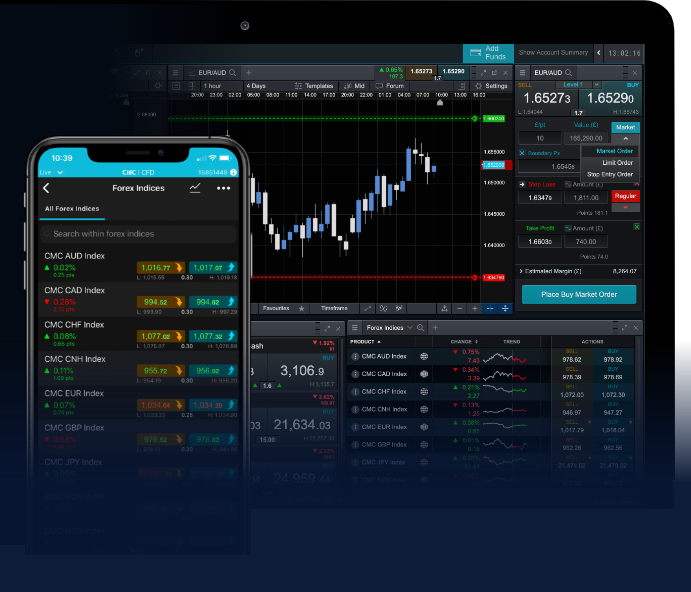
- Charting Software: Good charting software provides traders with the ability to visualize price movements through various chart types (candlestick, bar, line charts) and allows the implementation of technical analysis tools.
- Economic Calendar: An economic calendar is essential for traders to stay informed about upcoming economic events and releases that can impact currency prices.
- Trading Platforms: Choosing a reliable and user-friendly trading platform is crucial for executing trades efficiently. Popular platforms include MetaTrader 4 (MT4) and MetaTrader 5 (MT5).
- News Feeds: Staying updated on finance news is vital since global events can influence market fluctuations dramatically. A reliable news feed can serve as an important resource for traders.
Developing Your Own Forex Trading System
Creating a personalized Forex trading system tailored to your trading style is crucial for success. Here are the steps to help you develop your own system:
- Identify Your Trading Goals: Be clear about what you want to achieve. Are you aiming for short-term profits, or are you looking for long-term growth?
- Choose a Trading Style: Determine whether you want to day trade, swing trade, or use a longer time frame. Your lifestyle and risk tolerance should guide this choice.
- Select Your Indicators: Based on your preferences, choose a combination of technical indicators that align with your strategy.
- Backtesting: Before implementing your system in real trading, conduct backtesting using historical data. This simulates how your system would have performed in different market conditions.
- Start Small: Begin by trading small positions to limit your risk as you gain confidence in your system. Gradually increase your position size as you develop consistency.
- Stay Disciplined: Stick to your trading plan and avoid emotional decisions. Discipline is key to long-term success in Forex trading.
Conclusion
The Forex market offers immense opportunities for traders, but success requires a solid and well-structured trading system. By understanding the core components, selecting the right tools, and adhering to strict risk management protocols, traders can navigate this volatile market with confidence. Continuous learning, practice, and adjustment of your trading strategies will be crucial as you climb the ladder of Forex trading success. Remember, even the most sophisticated systems require dedication and adaptability as market conditions change.