

This is where Constant steps in by automating and streamlining the AP process. Accounts payable aging report that facilitates the effective management of payables. It categorizes outstanding payables based on the age of the invoice, whitepapers on accounting and cloud technology providing a clear view of both current and overdue liabilities. From this, $300 is withheld for federal income tax, $150 for state income tax, $100 for Sarah’s share of health insurance premiums, and $50 for her 401(k) contribution.
Balance Sheet
As accounts payable are deemed short-term obligations of your business towards its creditors or suppliers, these obligations will need to be met in less than a year. Therefore, accounts payable appears on the liability side of your balance sheet, under current liabilities. When the company buys or purchases on credit, the liability will occur when goods or services are received. Hence the company will debit goods received or services expended and credit accounts payable as liabilities increase.
What Are The Journal Entries For Depreciation?
They generate when companies purchase an item or various products from a supplier for credit. Usually, it involves repaying the supplier at a future point in time. Therefore, they also result in outflows of economic benefits in the future. An increase in the accounts payable indicates an increase in the cash flow of your business. This is because when you purchase goods on credit from your suppliers, you do not pay in cash. Thus, an increase in accounts payable balance would signify that your business did not pay for all the expenses.
- When liability is paid off to the vendor, the amount is debited from the accounts payable account and is marked as credit into cash or the vendor’s bank account.
- Double Entry Bookkeeping is here to provide you with free online information to help you learn and understand bookkeeping and introductory accounting.
- The company that has many suppliers may need to use the A/P aging report to easily manage its payment to the supplier.
- Typically, a credit purchase will impact the Accounts Payable and the Purchase account.
- The double-entry accounting system is a common practice that mandates every business transaction to be recorded in at least two accounts, maintaining the balance in the accounting equation.
Benefits of accounts payable automation
Accounts receivable refers to the amount that your customers owe to you for the goods and services provided to them on credit. Thus, the accounts receivable account gets debited and the sales account gets credited. This indicates an increase in both accounts receivable and sales account. Further, accounts receivable are recorded as current assets in your company’s balance sheet.
Do you already work with a financial advisor?
However, repayments usually represent the most common reason for reducing accounts payable balances. The accounts payable balance remains in the books until the company repays the supplier in the future. Once they decide to reimburse the supplier, they may pay them in cash or through a bank. This transaction will decrease the accounts payable balance for the amount paid. Suppliers also set a credit limit before which companies must reimburse them. However, it is crucial to understand how the process works to know the different stages involved.
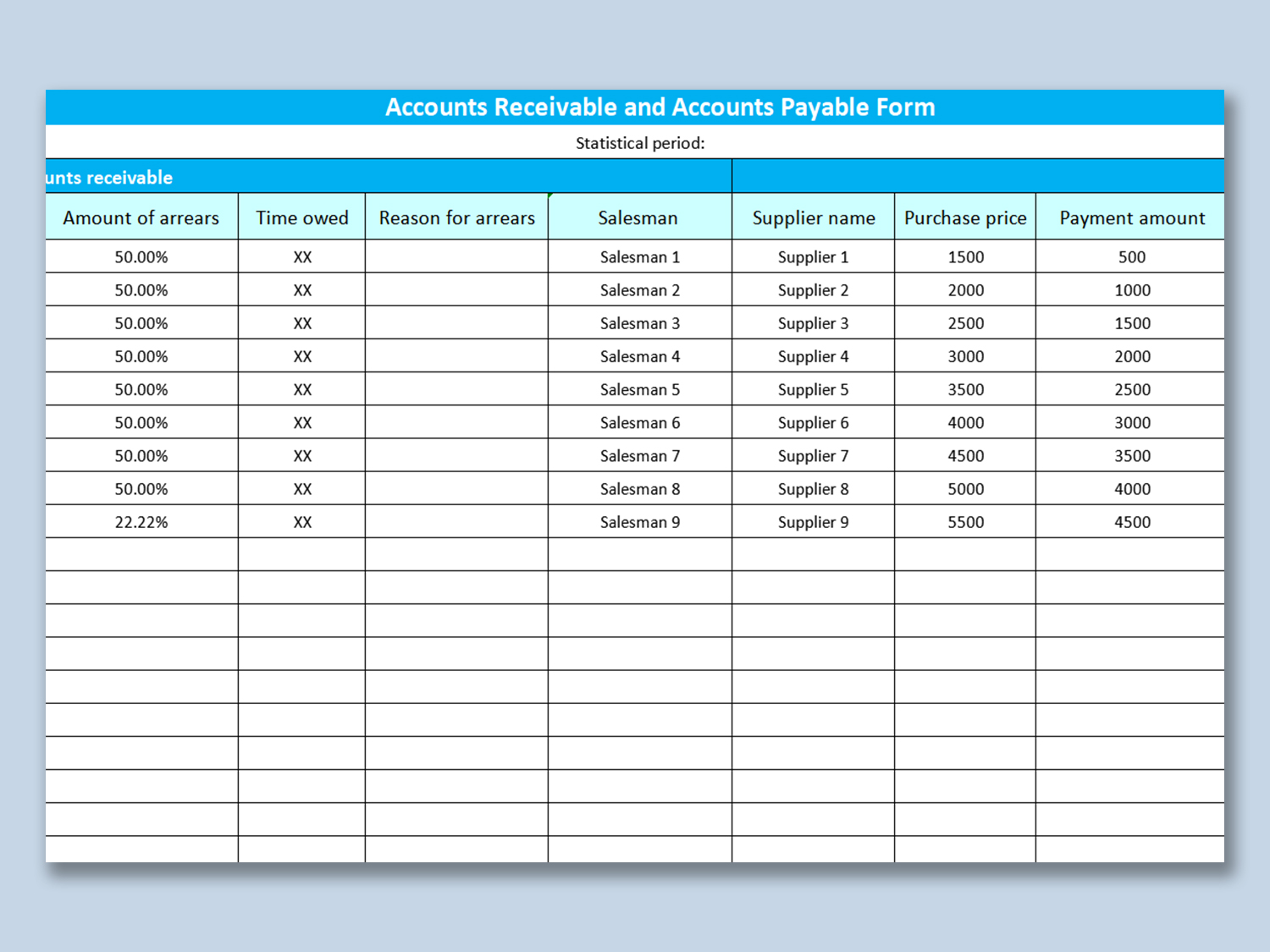
Accounts payable usually appear as the first item in the current liabilities section of a company’s balance sheet. Accounts payable is an account that holds the balance owed to suppliers for credit purchases. Companies use this account to record obligations towards business parties.
The accounts payable transaction is shown in the accounting records with the following bookkeeping journal entry. In addition, it provides visibility into company spending and can help identify any potential issues or discrepancies. Be sure to check your understanding of this lesson and the accounts payable journal entries by taking the quiz in the Test Yourself!
Accounts payable represent money owed to suppliers or other business parties. These balances come from suppliers from whom they purchase on credit. In some cases, they may also include parties that the company may repay due to their business activities.